Signs You Need a New Roof (10 Things Homeowners Miss)
Most homeowners don’t think about their roof until there’s a leak.
But by the time water is coming through your ceiling, the problem has usually been building for months—or even years.
The good news: your roof almost always gives warning signs before it fails. The bad news: many of them are easy to miss if you don’t know what to look for.
Here are the most common signs you need a new roof—both inside and outside your home.
The 10 Most Common Roof Replacement Signs
Shingles are curling or cupping
Edges lifting or curling typically mean aging materials and loss of protection.Missing shingles
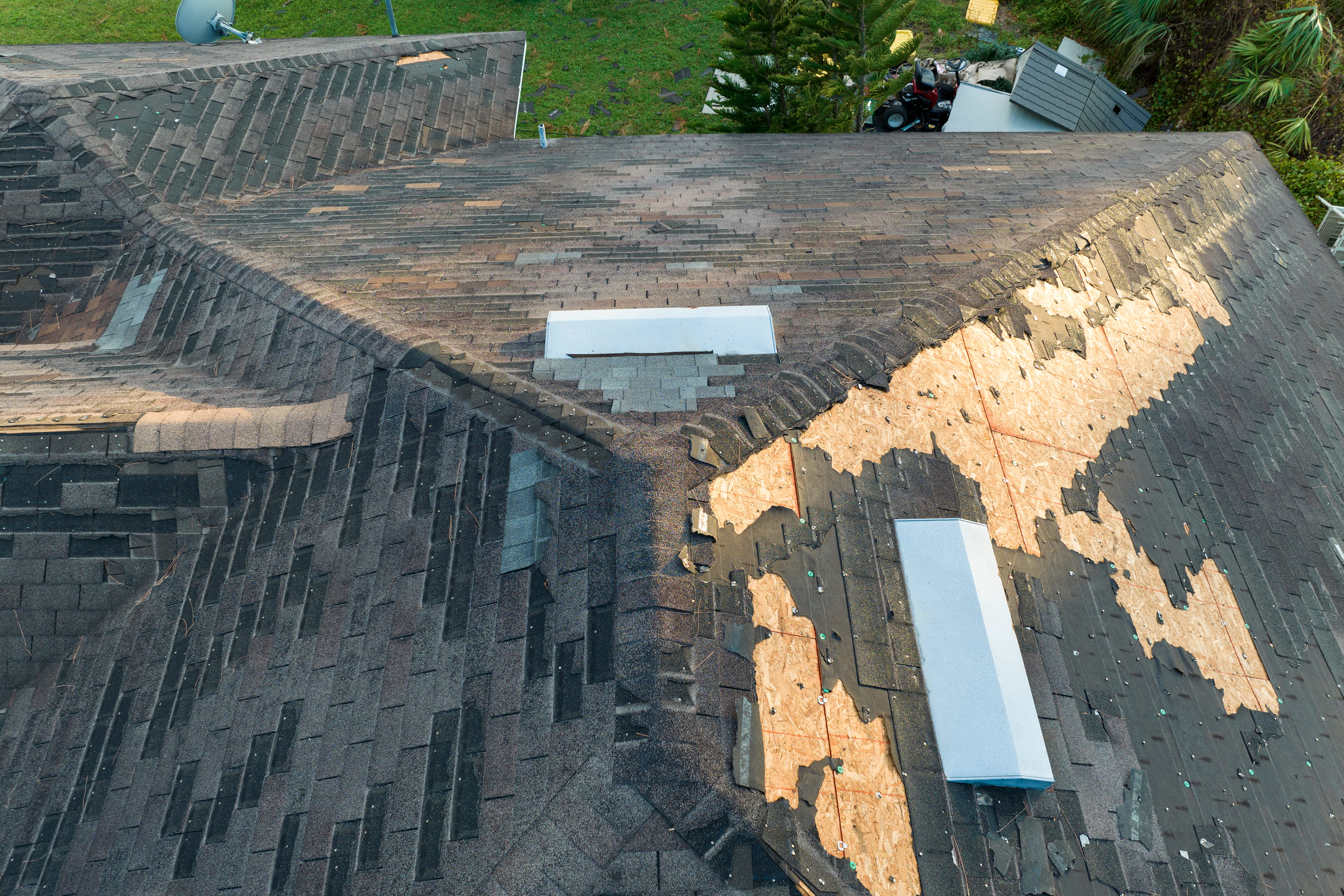
Even one missing shingle can expose the system underneath.Granules in gutters
If you see what looks like sand in your gutters, your shingles are deteriorating.Dark streaks or discoloration
Often algae, but can also indicate moisture retention.Sagging roofline
This is structural and should be addressed immediately.Frequent repairs
If you’re fixing the same area repeatedly, replacement may be more cost-effective.Roof is 15–25+ years old
Even if it looks fine, roofing materials degrade over time.Flashing is cracked or failing
Especially around chimneys, vents, and valleys.Moss or vegetation growth
This traps moisture and accelerates decay.Neighbors are replacing their roofs
Homes built around the same time tend to age the same way.
Interior Warning Signs (Attic, Ceilings, Smells)
Some of the most important signs aren’t outside—they’re inside your home.
Look for:
Water stains on ceilings or walls
Peeling paint near rooflines
Musty smells in attic spaces
Visible light coming through attic boards
Damp insulation
These can indicate hidden moisture intrusion, even if you don’t see an active leak.
Exterior Warning Signs (Shingles, Flashing, Sagging)
From the ground, you can still identify major issues.
Watch for:
Uneven or patchy shingle appearance
Exposed nail heads
Rusted or lifting flashing
Debris collecting in roof valleys
Sections that appear dipped or sagging
If anything looks off, it’s worth having it checked.
When a Roof Is “Too Far Gone” to Repair
Repairs make sense when damage is isolated.
Replacement becomes the better option when:
Damage is widespread across multiple areas
The roof is near the end of its lifespan
There are multiple leak points
Structural issues (like sagging) are present
Previous repairs are no longer holding
At that point, continuing to repair often costs more over time.
How Long You Can Safely Wait
Short answer: not as long as most people think.
Minor issues → can wait a short period with monitoring
Active leaks → should be addressed immediately
Structural issues → urgent ⚠️
Waiting too long can lead to interior damage, mold, insulation issues, and higher repair costs.
What to Do Next (Inspection Checklist)
If you suspect an issue, start with this:
Walk around your home and look for visible damage
Check gutters for granules
Look at ceilings and attic spaces
Take photos of anything questionable
Schedule a professional inspection
A proper inspection will determine whether you need a repair or a full replacement.
FAQs
What does a failing roof look like?
Curling shingles, missing sections, sagging areas, and interior water damage are common signs.
Can you have roof damage with no leaks?
Yes—many roofing issues develop before water enters the home.
How do I know my roof age?
Check home records, permits, or have a professional inspect it.
Is one leak enough to replace a roof?
Not always, but it can indicate a larger issue.
What’s the most important thing to look for?
Overall shingle condition and any signs of moisture inside.
Do cracked shingles mean replacement?
If widespread, yes. If isolated, it may only require a repair.
Not sure what you’re looking at—or if it’s serious?
A quick inspection can give you a clear answer and help you avoid bigger problems down the line.
If you’ve noticed any of these signs, it’s worth having a professional take a look.